

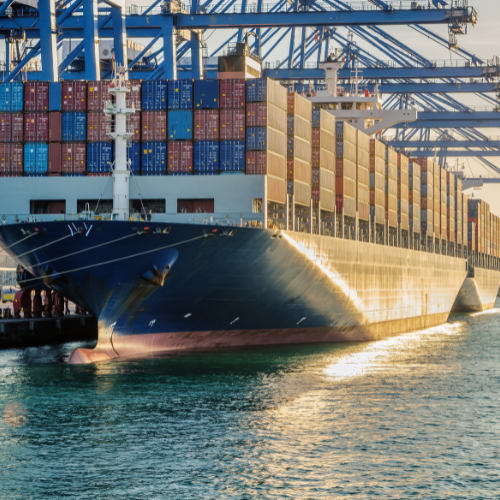
In an increasingly connected world, the movement of goods has become as important as their production. Behind every product that reaches a consumer—whether across cities or continents—there is a complex network of logistics and supply chain systems working quietly in the background. Today, global logistics and supply chain companies are not just facilitators of movement; they are the backbone of modern commerce.
Over the past decade, the industry has undergone a major transformation. What was once seen as a support function has now become a strategic priority for businesses across sectors. Speed, efficiency, and reliability are no longer optional—they are essential. Consumers expect faster deliveries, real-time updates, and seamless service, pushing companies to rethink their supply chain strategies.
One of the key drivers of this evolution is the rise of global trade and e-commerce. Businesses are no longer limited by geographical boundaries. Products are sourced from one part of the world, manufactured in another, and delivered to customers across multiple regions. This level of complexity requires highly coordinated logistics systems that can operate efficiently at scale.
To meet these demands, logistics companies are focusing on optimization. From warehouse management to transportation planning, every aspect of the supply chain is being refined to reduce delays and improve performance. Advanced tracking systems now provide real-time visibility, allowing businesses to monitor shipments and make quick decisions when needed.
Another important shift is the emphasis on flexibility. The global environment is constantly changing, influenced by factors such as economic conditions, geopolitical events, and unexpected disruptions. Supply chain companies are building systems that can adapt quickly, ensuring continuity even in uncertain situations.
Technology is playing a significant role in this transformation. Automation in warehouses, digital platforms for tracking, and data-driven decision-making are helping companies improve accuracy and efficiency. While these tools enhance operations, the real value lies in how they are used to create smoother and more reliable systems.
Sustainability is also becoming a key focus area. As environmental concerns grow, logistics companies are exploring ways to reduce their carbon footprint. Efficient route planning, use of alternative fuels, and optimized packaging are some of the steps being taken to create more responsible supply chains.
For businesses, an efficient supply chain directly impacts customer satisfaction. Delays, errors, or disruptions can affect trust and brand reputation. This has led organizations to invest more in strengthening their logistics capabilities, recognizing it as a critical component of their overall strategy.
Small and medium enterprises are also benefiting from advancements in logistics. Access to better infrastructure and services allows them to compete on a larger scale. With reliable supply chain solutions, businesses can expand their reach and serve customers more effectively.
However, the industry is not without challenges. Managing costs, handling complex regulations across countries, and maintaining efficiency at scale require constant attention. Labor shortages and infrastructure limitations in certain regions also add to the complexity.
Despite these challenges, the future of logistics and supply chain remains strong. The industry continues to evolve, driven by innovation and the need for greater efficiency. Companies are not just focusing on movement—they are focusing on creating systems that are intelligent, adaptable, and customer-centric.
Another emerging trend is the integration of end-to-end solutions. Instead of treating each stage of the supply chain separately, companies are working towards a more connected approach. This ensures better coordination and reduces inefficiencies, resulting in smoother operations.
The role of logistics is expanding beyond transportation. It is becoming a key factor in business success. Companies that invest in strong supply chain systems are better positioned to respond to market demands and maintain consistency in their operations.
In a world where speed and reliability define customer expectations, logistics and supply chain companies are playing a crucial role. They ensure that products move efficiently, businesses operate smoothly, and customers receive what they need—when they need it.
Ultimately, logistics is not just about moving goods from one place to another. It is about connecting systems, enabling businesses, and supporting the flow of global commerce. And as the world continues to grow more interconnected, its importance will only continue to rise.