
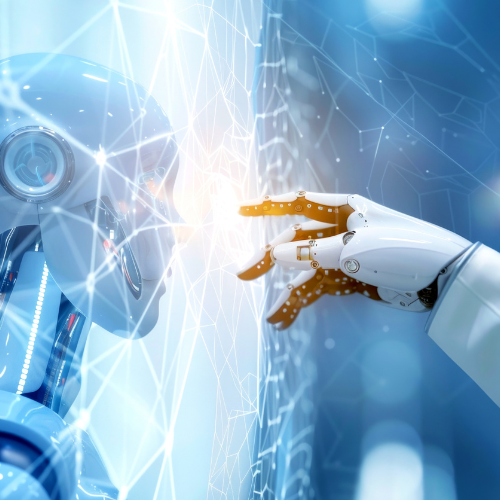
Artificial Intelligence is entering a new phase—one where it doesn’t just assist, but actively works. AI agents, often called “digital employees,” are now being used by companies to handle tasks like customer service, scheduling, data analysis, and even decision support. This shift is changing how businesses operate at a fundamental level.
Unlike traditional automation, AI agents can learn, adapt, and make context-based decisions. This makes them more flexible and useful in real-world business environments. Companies are increasingly relying on these systems to improve efficiency and reduce operational costs.
However, this transformation is not just about replacing tasks. It is about redefining roles. Professionals are now expected to collaborate with AI rather than compete with it. This means understanding how to guide AI tools, interpret outputs, and apply human judgment where it matters most.
The rise of AI agents also raises important questions. How much decision-making should be delegated to machines? How do companies ensure accuracy and accountability? These concerns are pushing organisations to adopt AI carefully, with strong oversight.
For businesses, the opportunity lies in balance. AI can handle repetitive and data-heavy tasks, freeing humans to focus on creativity, strategy, and relationships. For professionals, the key is adaptability.
AI agents are not the future—they are already here. The real question is how effectively individuals and organisations choose to work alongside them.