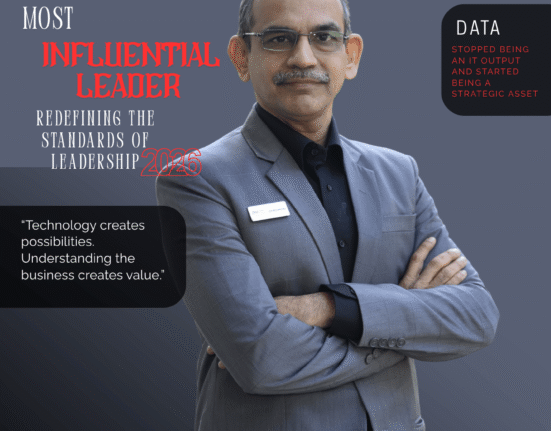


For years, businesses focused primarily on building strong corporate brands. While company reputation remains important, a noticeable shift has taken place in today’s business landscape. Increasingly, customers, investors, employees, and partners want to know the people behind the business, not just the products or services they offer.
This shift has transformed CEO Personal Branding from a marketing trend into a strategic business advantage. Business leaders are no longer relying solely on corporate websites or company announcements to establish credibility. Instead, they are building a visible presence through interviews, thought leadership articles, industry events, podcasts, social media platforms, and professional publications.
In a marketplace where trust influences every business decision, personal branding has become one of the most valuable investments an executive can make.
What Is CEO Personal Branding?
CEO Personal Branding is the process of establishing a professional identity that reflects a leader’s expertise, values, vision, and industry contributions. It goes beyond self-promotion and focuses on building credibility through authentic communication and meaningful engagement.
A strong personal brand allows executives to demonstrate leadership beyond their organization. Whether sharing industry insights on LinkedIn, speaking at conferences, contributing articles, or participating in media interviews, CEOs create opportunities to connect with audiences on a more personal level.
Unlike traditional corporate marketing, personal branding emphasizes the individual behind the business. It highlights experiences, perspectives, and leadership philosophy that help people understand what the organization stands for.
Trust Begins with Leadership
Consumers today have more choices than ever before. When products and services appear similar, trust often becomes the deciding factor.
Research consistently shows that people are more likely to engage with companies led by visible and credible executives. Customers feel reassured when they see leaders actively sharing their expertise, discussing industry trends, and communicating openly about their organization’s mission.
Investors also value leadership visibility. A CEO who regularly contributes thoughtful insights and demonstrates industry knowledge can strengthen confidence in both the individual and the company.
Personal branding creates familiarity, and familiarity often leads to trust.
Building Thought Leadership
Thought leadership has become one of the strongest components of executive branding.
Today’s business leaders are expected to contribute meaningful perspectives rather than simply promote their businesses. Publishing articles, participating in interviews, speaking at industry events, and sharing informed opinions allow executives to position themselves as trusted voices within their sectors.
Thought leadership is not about having all the answers. Instead, it demonstrates a willingness to share knowledge, discuss emerging trends, and participate in conversations that matter.
When consistently executed, thought leadership enhances professional reputation while creating valuable networking and business opportunities.
The Growing Influence of Digital Platforms
Digital platforms have significantly changed how executives build visibility.
Professional networks such as LinkedIn have become powerful channels for sharing expertise, engaging with industry peers, and expanding professional influence. Executives also leverage podcasts, webinars, newsletters, and business publications to reach broader audiences.
Unlike traditional advertising, digital content remains accessible long after it is published. A well-written article, insightful interview, or keynote presentation can continue attracting readers and generating opportunities months or even years later.
This long-term visibility makes personal branding a valuable investment rather than a short-term marketing campaign.
Personal Branding Supports Business Growth
Many executives initially view personal branding as an individual activity. In reality, it often delivers measurable business benefits.
A visible CEO can increase brand awareness, attract strategic partnerships, strengthen customer relationships, and improve media exposure. Prospective clients frequently research company leaders before making purchasing decisions, particularly in business-to-business industries.
Recruitment also benefits from executive visibility. Talented professionals are more likely to join organizations led by respected and inspiring leaders who communicate a clear vision and company culture.
In competitive markets, a trusted executive can become a significant competitive advantage.
Authenticity Matters More Than Perfection
One of the biggest misconceptions about personal branding is that it requires constant self-promotion. The most effective executive brands are built on authenticity rather than polished marketing messages.
Audiences value leaders who share genuine experiences, lessons learned, business challenges, and practical insights. Authentic communication helps humanize leadership while creating stronger emotional connections with customers, employees, and industry peers.
Executives who consistently provide value through education and thoughtful discussion naturally build stronger reputations than those focused solely on promoting achievements.
Media Features and Industry Recognition
Editorial features, interviews, awards, and speaking engagements have become important elements of executive branding.
Being featured in reputable business publications not only increases visibility but also enhances credibility. Media recognition serves as third-party validation of an executive’s expertise and professional achievements.
Similarly, participating in conferences, panel discussions, and leadership forums allows executives to expand their professional networks while reinforcing their position within the industry.
Combined with consistent digital engagement, these activities contribute to a well-rounded and influential personal brand.
Common Mistakes to Avoid
While personal branding offers significant benefits, many executives make avoidable mistakes.
One common error is focusing entirely on self-promotion without providing meaningful value. Audiences are more interested in practical insights than promotional messages.
Another mistake is inconsistency. Building a strong reputation requires regular engagement rather than occasional appearances.
Finally, executives should ensure that their personal brand aligns with their organization’s values and long-term vision. Consistency between personal and corporate messaging strengthens credibility and reinforces trust.
The Future of Executive Visibility
As digital communication continues to evolve, personal branding will become even more important for business leaders.
Artificial intelligence, search engines, professional networking platforms, and digital media are making executive visibility more accessible than ever before. Stakeholders increasingly expect leaders to participate in industry conversations, share expertise, and communicate directly with their audiences.
Future business success will depend not only on what companies achieve but also on how effectively their leaders communicate vision, purpose, and expertise.
Conclusion
CEO Personal Branding has evolved from an optional marketing activity into a strategic business investment. In today’s trust-driven economy, visible and credible leaders help organizations attract customers, strengthen partnerships, recruit top talent, and differentiate themselves in competitive markets.
By sharing authentic insights, contributing thought leadership, and maintaining a consistent professional presence, executives can build lasting credibility that benefits both their personal reputation and their organizations.
In the years ahead, the businesses that stand out will not simply have the strongest products or services—they will have leaders whose expertise, authenticity, and vision inspire confidence in every interaction.