
The Industrial CEO Must Become Chief Engineer Again: Bruno Bouygues on Leading the Next Era of Manufacturing
For Bruno Bouygues, the future of industrial leadership depends on more than operational efficiency and acquisitions. It requires executives who understand technology, challenge conventional thinking, and put engineering at the heart of business strategy. For decades, industrial success followed a familiar formula: acquire competitors, expand production capacity, automate factories, and cut costs. These strategies helped manufacturers grow and strengthen their market positions. But the conditions that once made them effective are changing, and the same approach may no longer be enough to keep companies competitive.
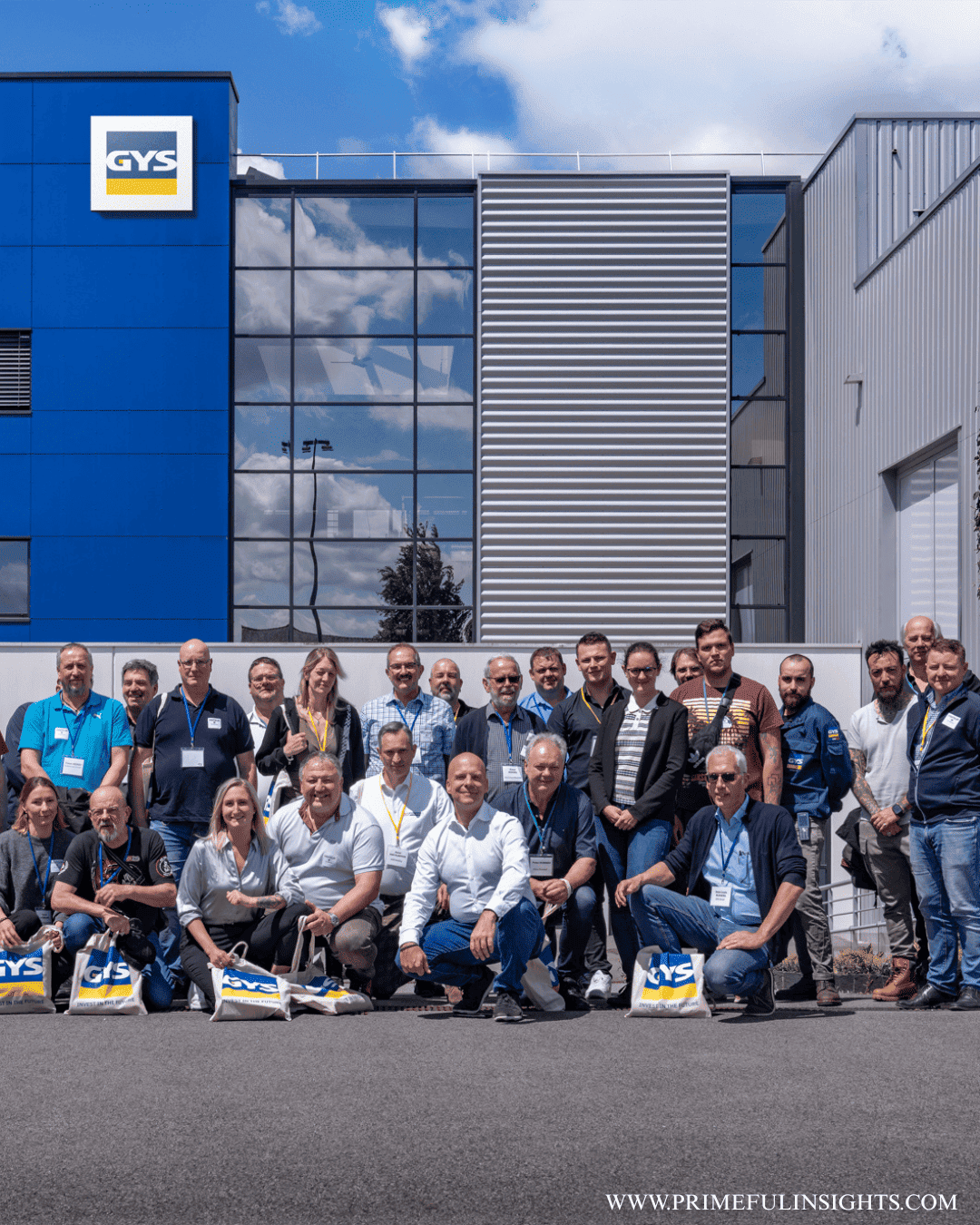
Bruno Bouygues, chief executive of GYS, a French manufacturer of welding and industrial equipment, believes the next generation of industrial leaders must return to a fundamental skill: understanding engineering. As machines become more connected, software-driven, and intelligent, executives can no longer afford to remain removed from the technologies shaping their products. That does not mean CEOs should replace their technical teams. They need to understand the decisions engineers face, recognise the consequences of technical choices, and make engineering central to the company’s business strategy. As technological development accelerates, that understanding is becoming an essential part of the job.
When Traditional Strengths Are No Longer Enough
Acquisitions and operational excellence remain important to industrial companies. Buying another business can bring new customers, increase production capacity, and strengthen a manufacturer’s market position. Lean manufacturing and automation help improve efficiency and reduce waste. Neither, however, guarantees a technological edge. Repeated acquisitions can leave companies with product portfolios built on incompatible platforms, different generations of equipment, and systems that become increasingly expensive to maintain. Without a clear vision for product architecture, these complications may remain hidden until they begin to affect development costs, maintenance, or the company’s ability to bring new products to market. Manufacturing efficiency has its limits, too. A company can run highly automated factories and produce equipment with remarkable efficiency, yet still lose ground if its products no longer meet customer needs. Being exceptionally good at manufacturing offers little protection when the products themselves fall behind.
Competitive advantage increasingly depends on what happens beyond the factory floor. Design offices, research laboratories, and engineering teams developing new products now play a central role in determining whether manufacturers can keep pace with the market. For Bouygues, this calls for a shift in executive priorities. Operational performance remains essential, but it must be matched by a sustained commitment to product development and the engineering behind it.
The Machine Is Becoming a Technology Platform
Industrial machinery is no longer simply a collection of mechanical components. Modern equipment increasingly combines power electronics, embedded software, real-time firmware, connected sensors, cybersecurity, and artificial intelligence. Making these elements work together requires coordination from the earliest stages of development. A weakness in software architecture or a poor choice of a critical component can delay an entire project. Competitors are also bringing new technologies to market more quickly, leaving manufacturers less time to develop, test, and refine their products. Software has changed the relationship between manufacturers and their customers, too. Equipment can continue to evolve through updates after installation, generate operational data, and connect with the wider systems customers use to run their businesses. A machine’s value is no longer determined entirely by what leaves the factory; its capabilities can develop throughout its working life.
Artificial intelligence embedded in physical systems, often described as physical AI, adds another dimension. These systems can use data to interpret their surroundings and respond to real-world conditions. For manufacturers, that opens new ways to differentiate their products, while making development more technically demanding. The distinction between an industrial machinery manufacturer and a technology company is becoming less clear. Hardware remains essential, but software, connectivity, and intelligence increasingly determine how well a machine performs and the value it delivers to users.
A Different Kind of Executive Leadership
Bouygues is not arguing that CEOs should become software developers or involve themselves in every engineering detail. They need enough technical knowledge to ask informed questions, challenge assumptions, and make decisions in partnership with the people responsible for product development.
Which technologies will define the company’s products in five years? What should be developed in-house, and what can be sourced from external suppliers? How can product architectures support future development without driving up costs? Where will future returns come from: equipment sales, software, or connected services? The answers affect far more than engineering. They shape investment decisions, product development, margins, and the company’s ability to compete over the long term. When executives cannot engage meaningfully with these questions, technology risks becoming the sole responsibility of specialists. Decisions that should involve the wider leadership team are left to individual departments, potentially slowing progress and leaving the company unprepared for changes in the market.
A chief engineer’s mindset means understanding how technical decisions affect commercial results. It requires curiosity about how products work, an appreciation of engineering constraints, and the willingness to question assumptions while respecting the expertise of those doing the work. The CEO must connect what is technically possible with what the business needs to achieve, then ensure that teams have the resources, direction, and coordination to turn those possibilities into products.
Protecting Innovation When Markets Become Difficult
The real test of this approach often comes when market conditions deteriorate.
When revenue falls or margins come under pressure, cutting research and development spending can seem like a straightforward way to protect short-term profitability. The savings, however, may come at a much greater cost later. Engineering expertise takes years to develop. Product development relies on accumulated knowledge, experienced teams, and continued investment in technologies that may not produce immediate returns. Once that expertise is lost, rebuilding it can be difficult, particularly if competitors have continued developing their products.
Reducing engineering investment to protect current results can leave a company struggling when it needs to introduce its next generation of products. The consequences may not be immediately apparent. By the time the gap becomes obvious, competitors may already have moved ahead, making it difficult and expensive to catch up.
Executives must look beyond the current financial cycle. Protecting research and development does not mean ignoring economic pressures or investing without discipline. It means recognising which technical capabilities are essential to the company’s future and making deliberate decisions about how to preserve them. Industrial companies must control costs without undermining the work that keeps their products relevant.
Bringing Engineering Back to the Centre
This shift also requires a change in organisational culture.
Mechanical engineers, electronics specialists, automation experts, and software developers have often worked in separate departments, each with its own priorities and methods. That arrangement becomes harder to sustain as products grow more complex. A decision made by one team can affect the performance, reliability, cost, and development schedule of the entire machine. Bringing these disciplines together early helps teams identify problems before they become expensive and ensures that everyone is working towards the same product goals.
Simpler product architectures can help, too. A coherent technical foundation makes equipment easier to maintain, adapt, and develop over time. It also limits the complexity that accumulates when products and platforms evolve without a shared direction. For executive teams, engineering culture must be treated as a business priority, not a specialist function operating in the background. Leaders need to remove departmental barriers, clarify priorities, and give teams the conditions to make decisions and develop products more efficiently. The objective is straightforward: build better products, respond to customers more quickly, and remain competitive as market expectations and technical possibilities change.
Building the Next Generation of Industrial Competitiveness
Changes in industrial policy offer another indication of where the sector is heading. The French government’s Défi Flagships initiative, launched under its France 2030 investment plan, supports the development of innovative subsystems for robotics, drones, and smart equipment. It reflects the growing importance of electronics, software, and embedded intelligence to industrial competitiveness. For manufacturers, adopting new tools is only part of the task. They also need the expertise and internal coordination to integrate these technologies into products quickly and effectively. That calls for closer cooperation between executives and engineers, continued investment in research and development, and a willingness to reconsider established ways of working. A company’s technical direction can no longer be separated from its commercial future.
For Bouygues, the industrial CEO’s role now extends beyond allocating capital, managing budgets, and protecting margins. Executives must also coordinate the development of increasingly complex products. Financial discipline remains necessary, but it must be accompanied by an understanding of engineering and a clear sense of how products need to evolve.
The companies that succeed will not necessarily be those with the most automated factories or the largest acquisition portfolios. Their advantage will come from understanding what their machines need to become, giving engineers the support to develop them, and getting new products to market ahead of competitors. Engineering can no longer sit at the edge of industrial strategy. As machines become more connected, software-driven, and intelligent, understanding the technologies behind them is becoming a defining responsibility of executive leadership. Knowing how to run a business will always matter. For the next generation of industrial leaders, understanding how its products are designed, developed, and improved may matter just as much.